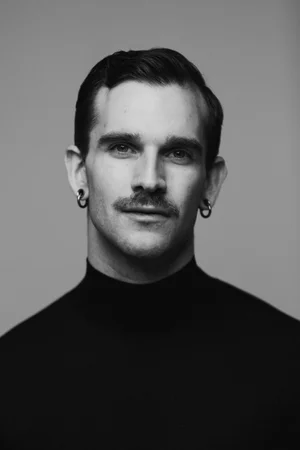
Keeping a team consistent without making everyone look identical
There are two ways a team page goes wrong, and they are opposites.
The first is the patchwork: eleven headshots taken by six photographers over four years, different backgrounds, different crops, one from a wedding. It reads as disorganised, because it is.
The second is the over-correction: everyone photographed in exactly the same place doing exactly the same face. Technically consistent, and it makes a company of individuals look like a set of components. Nobody's face tells you anything, so the page tells you nothing.
The interesting problem is the second one, because it is the result of trying.
Separate the two variables
Consistency in a grid of portraits comes from a small number of technical things:
Lighting: direction, quality, ratio
Background: colour and distance
Camera distance and focal length: this is the big one for how a face reads
Crop: where the frame sits relative to the shoulders
Colour treatment in post
Lock all five and the grid will hold together no matter what happens in front of the camera.
What does not need to be consistent is everything human: expression, posture, energy, how much someone is or is not smiling, which way they are turned. Those are the variables that carry the information, and standardising them is what produces the line-up effect.
Most photographers standardise everything because it is faster. Same instruction to every person, same result, done.
Direction should change per person
A managing partner and a graduate developer are photographed to do different jobs. One needs to look like someone you would trust with a contract; the other like someone you would want on your team.
The same instruction (chin down slightly, small smile) produces a partner who looks approachable enough and a graduate who looks like they are in trouble.
So the direction changes. The set does not. That is the whole trick, and it costs nothing but attention.
The new starter problem
Here is the failure almost nobody plans for.
You photograph the team beautifully. Eight months later three people join. They are photographed by someone else, or by the same person who no longer remembers the settings, or in a different room. Now your grid has two visible generations in it, and the only fix is reshooting everyone.
The fix is to treat the lighting setup as a deliverable. When we shoot a company day, we keep the lighting positions, modifiers, power settings, backdrop, camera distance and focal length on file against your name. A new starter comes in for a single session and drops straight into the same grid.
It is unglamorous and it is the most valuable thing in the job. Ask any photographer you are considering whether they do it. Many do not.
What to ask for
If you are briefing a photographer (us or anyone else), these five things are what actually matter:
Will the lighting and camera setup be recorded and kept for future starters?
Will each person choose their own final image from their own gallery?
Will direction be adapted per person, or is everyone getting the same instruction?
What crops and file formats will be delivered?
What happens when someone leaves and someone joins, and what does that cost?
The answers will tell you more than a portfolio will.
The point
A team page is often the last thing someone looks at before deciding whether to get in touch. It should look like a group of people who work together, not a set of components, and not four years of accidents.
Request a date: company days from £850, with lighting setup notes kept on file as standard.